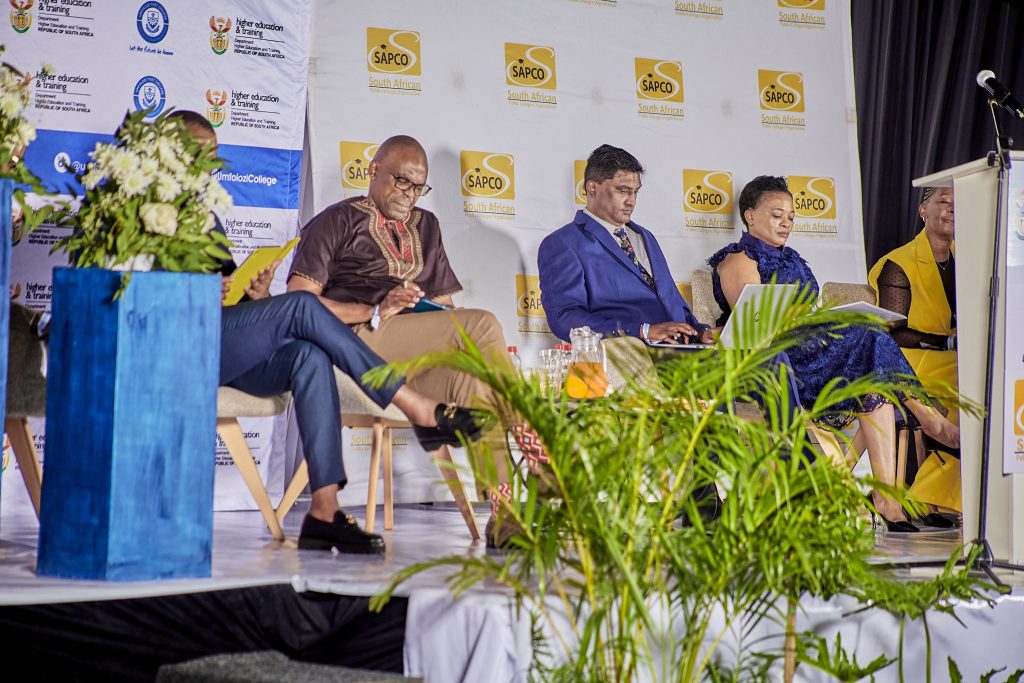
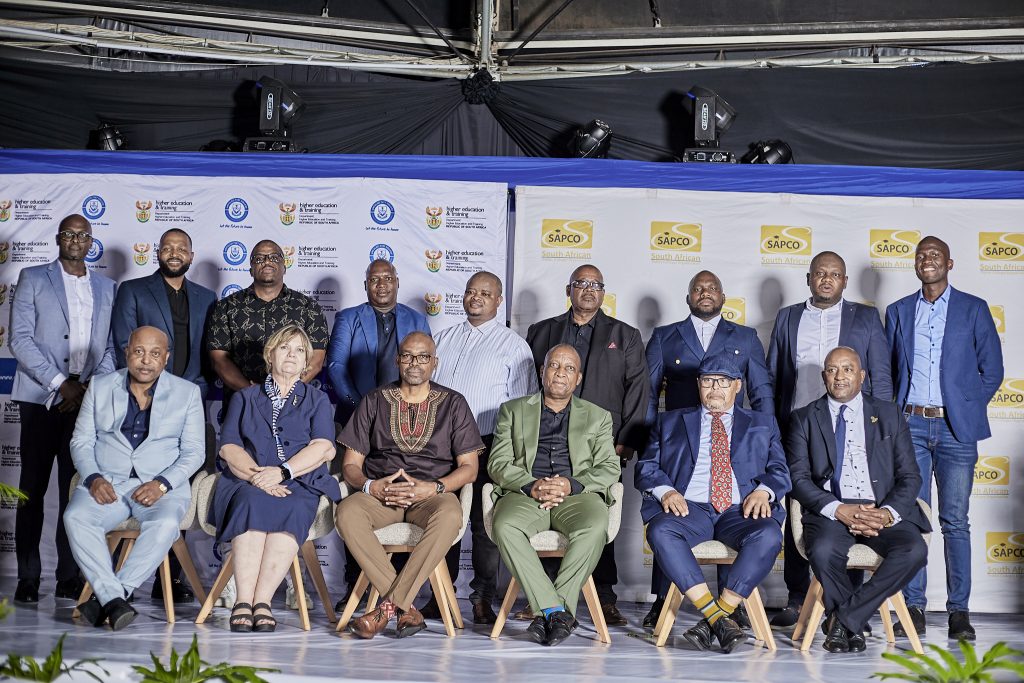
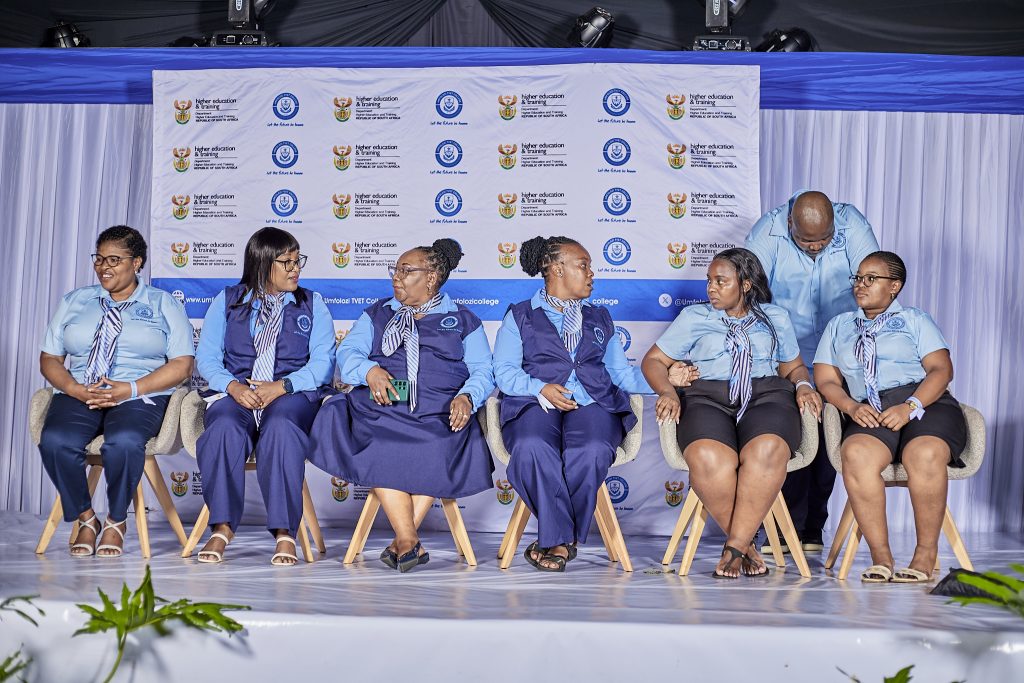
uMfolozi TVET College proudly hosted its Stakeholder Engagement Brunch at the Umfolozi Casino Convention Resort on 19 November 2026. The event was held under the theme, “Strengthening TVET-Industry Partnerships for Quality Work-Integrated Learning and Occupational Skills Development in the QCTO Era.”
The engagement brought together industry partners, government departments, Sector Education and Training Authorities (SETAs), professional bodies and other key stakeholders within the skills development sector.
The event aimed to strengthen collaboration between the College and industry in addressing skills shortages, expanding workplace-based learning opportunities and ensuring that graduates acquire relevant competencies that respond to labour market demands. This engagement was particularly significant as the College has recently introduced a range of new Quality Council for Trades and Occupations (QCTO) Occupational Programmes across its campuses in the uMkhanyakude, King Cetshwayo and iLembe districts.
Principal’s Address
In her address, Acting Principal Mrs Elsie du Toit placed emphasis on strengthening strategic partnerships between uMfolozi TVET College and industry to ensure that skills development remains responsive to the changing needs of the economy. She highlighted the College’s commitment to expanding Occupational Programmes, enhancing workplace based learning and equipping students with relevant practical skills that improve their employability.
The address further underscored the importance of collaboration among TVET Colleges, industry, government and other stakeholders in creating meaningful opportunities for students, addressing skills shortages and contributing to economic development. Du Toit also acknowledged the continued support of industry partners and called for stronger partnerships that translate into practical opportunities for students and graduates.
SAPCO President’s Address
In his address, the South African Public Colleges Organisation (SAPCO) President, Mr Tebogo Kekana, emphasised the importance of establishing strong and meaningful partnerships between TVET colleges, government and industry. He highlighted the need for partnerships that translate into tangible opportunities, including workplace based learning, lecturer industry exposure, responsive curricula, access to technology and equipment, and improved graduate employment pathways.
Kekana further called on government, SETAs, industry and College leadership to move beyond commitments towards practical action, ensuring that collaboration delivers sustainable benefits for institutions, students and the communities they serve.
QCTO Perspective on Occupational Qualifications
The Quality Council for Trades and Occupations (QCTO) representative, Ms Nomalungelo Qaqa, provided insight into the importance of transitioning from legacy qualifications to Occupational Qualifications that respond directly to industry requirements and the needs of the South African economy.
She highlighted the 3 key components of occupational qualifications, namely knowledge, practical skills and workplace experience. She stressed that the focus of training must shift beyond merely passing examinations towards developing competent, work-ready graduates equipped with the skills required by industry.
Qaqa further encouraged uMfolozi TVET College to strengthen its collaboration with industry, moving beyond accreditation towards the effective implementation of occupational qualifications. Acknowledging the College’s accreditation across various occupational fields, she encouraged proactive engagement with businesses and major industrial developments in Richards Bay to identify skills requirements and create workplace learning opportunities.
She underscored the mutual benefits of industry partnerships, noting that businesses stand to gain access to future talent while contributing to the development of a skilled workforce that meets their operational needs. She urged industry stakeholders to work closely with TVET colleges to bridge existing skills gaps and ensure that training remains relevant, practical and responsive to the evolving demands of the economy.
Qaqa also acknowledged the College’s progress in expanding its occupational programmes, revealing that the College has secured accreditation for 21 occupational qualifications and 8 skills programmes across various fields, including hospitality, engineering and manufacturing, personal services, electrical and construction. This milestone positions the College to broaden its occupational training offering and respond to emerging skills demands within its catchment areas.
Student Leadership Perspective
The SRC President General, Mr Sphamandla Ngubane, focused on the importance of skills development, entrepreneurship and creating meaningful economic opportunities through education. Drawing from his own academic background in Human Resource Management, Business Management and Public Management, as well as his involvement in agriculture as a host employer, he demonstrated how knowledge and practical skills can contribute to addressing unemployment and supporting local economic growth.
He emphasised that skills development should extend beyond obtaining qualifications, stating: “Skills development must go beyond obtaining qualifications; it must empower individuals to create opportunities, contribute to their communities and become drivers of economic growth.”
Strengthening Partnerships for a Skilled Workforce
The Stakeholder Engagement Brunch reaffirmed uMfolozi TVET College’s commitment to building strategic partnerships with industry and other stakeholders to strengthen work-integrated learning, advance occupational skills development and improve graduate employability.
Through continued collaboration, the College seeks to ensure that its training programmes remain aligned with industry needs while contributing meaningfully to economic growth, entrepreneurship and skills development within its catchment areas